
Give Bangladesh reported that 8 of the 12 tracked first-cohort graduates are now working: 3 in garment factories, 3 tailoring from home and 2 in domestic work.
The other 4 aren't working yet; Give Bangladesh is looking for placements for 3 of them.
£7,832Total deployed
A certificate, a factory job, and work on their own terms.
for factory jobs
for tailoring shops or self-employed
Most of the women in this programme were trafficked, sold by family members, or pushed into sex work by extreme poverty. When the options are starvation or survival, that is not a choice.
Leaving is the hard part. Without skills, schooling or any work history to show an employer, factory managers will not hire them and tailoring shops will not take them on. Even domestic work closes once someone learns their background. Many were sold by their own families, and most are the ones supporting parents, children or siblings rather than the ones being supported.
| Ref | Line item | Amount | Share | Chk |
|---|---|---|---|---|
| L-01 | Rent | £1,500 | 19.2% | |
| L-02 | Utilities | £442 | 5.6% | |
| L-03 | Trainer Remuneration | £2,100 | 26.8% | |
| L-04 | Lunch for trainees | £2,381 | 30.4% | |
| L-05 | Equipment | £188 | 2.4% | |
| L-06 | Health support | £285 | 3.6% | |
| L-07 | Graduation ceremony | £748 | 9.6% | |
| L-08 | Follow ups | £188 | 2.4% | |
| Σ | Total deployed | £7,831 | 100% |
01
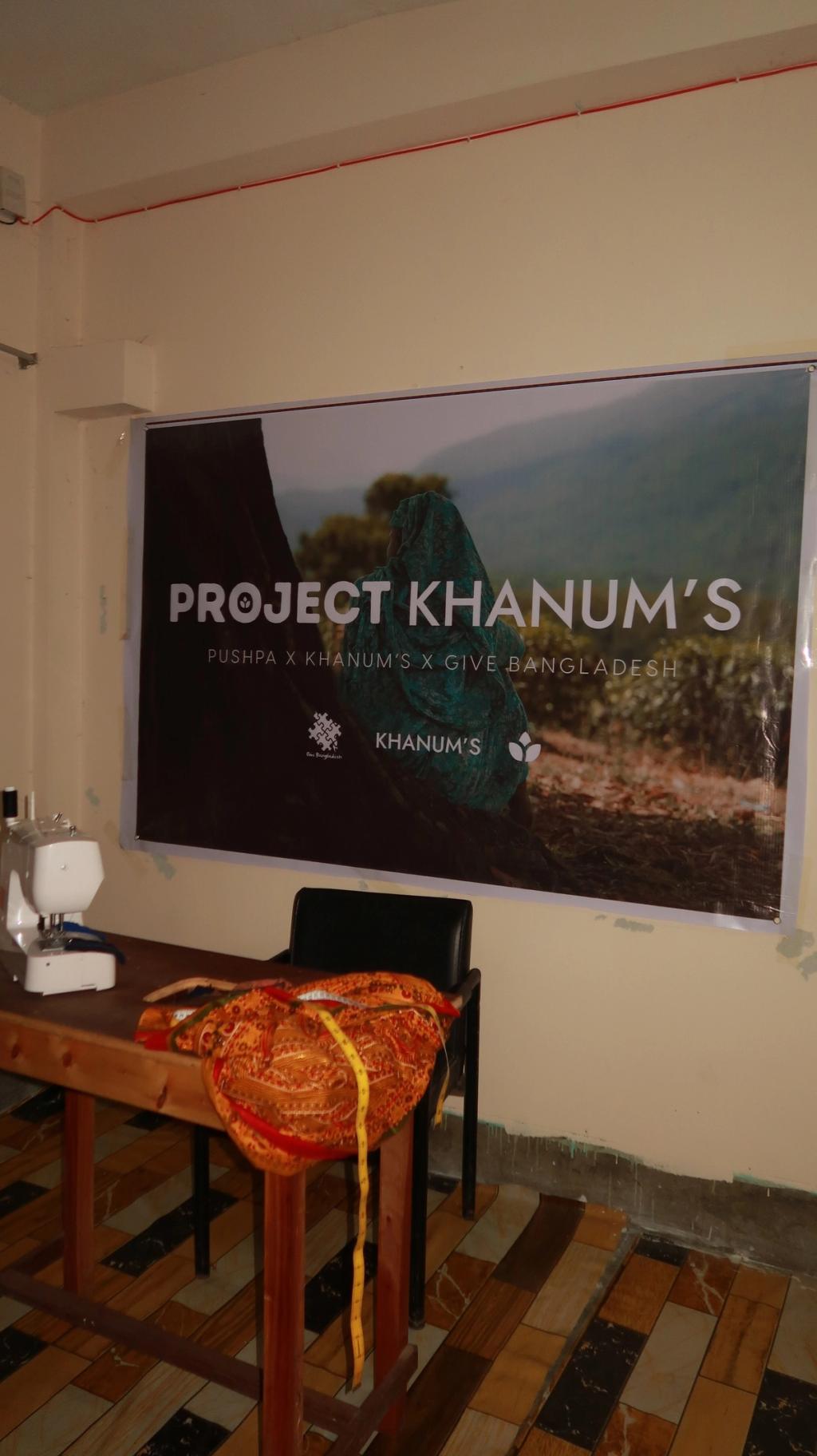
A two-month intensive of 45 classes, taught by professional trainers to factory standard. The garment sector is the country's biggest employer, so these are skills with a direct route into paid work.
02
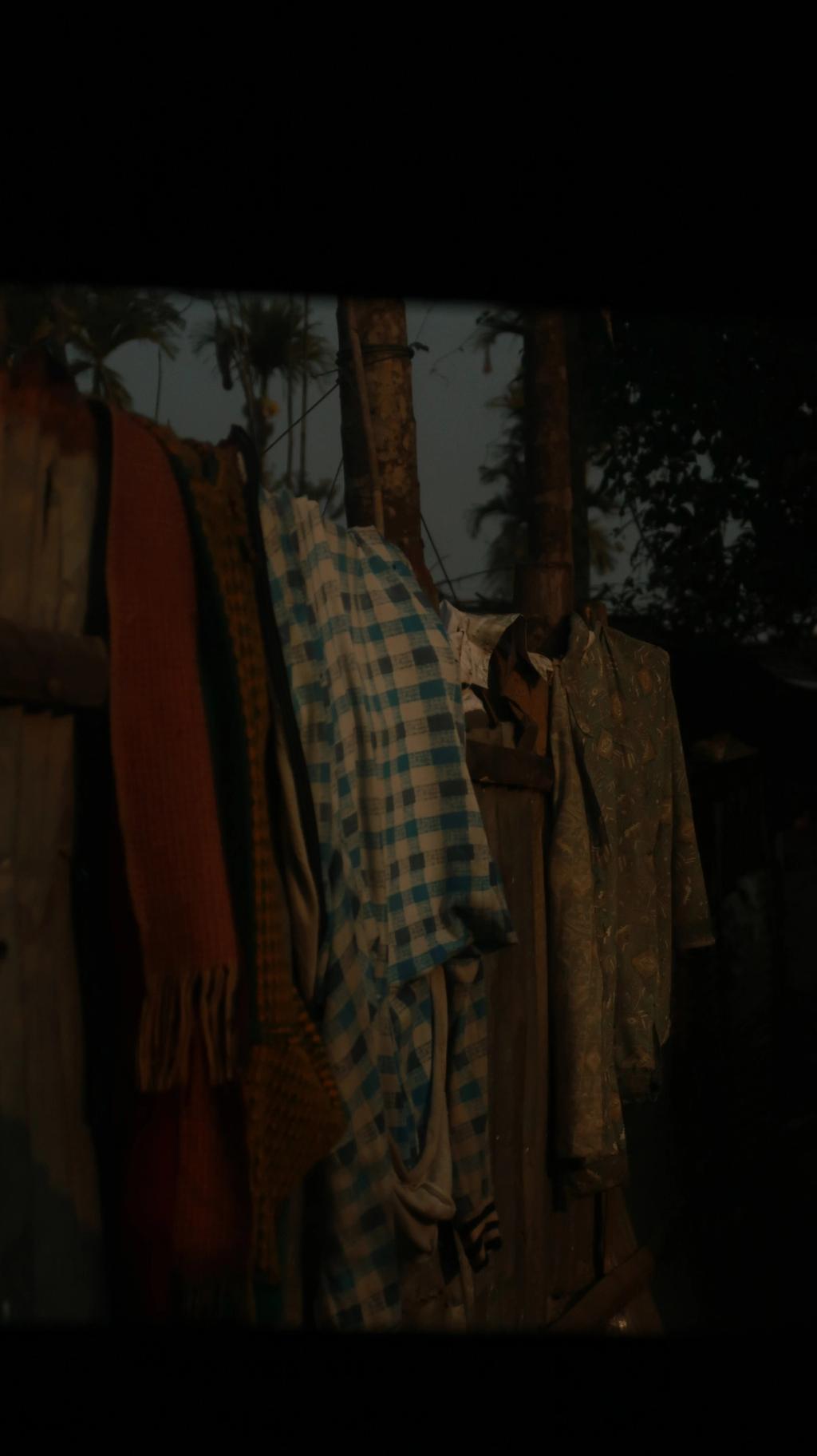
Medical consultations throughout, menstrual products, HIV testing and treatment where it was needed, and an on-site nursery so women with young children could attend at all. For many this was the first consistent healthcare they have had.
03
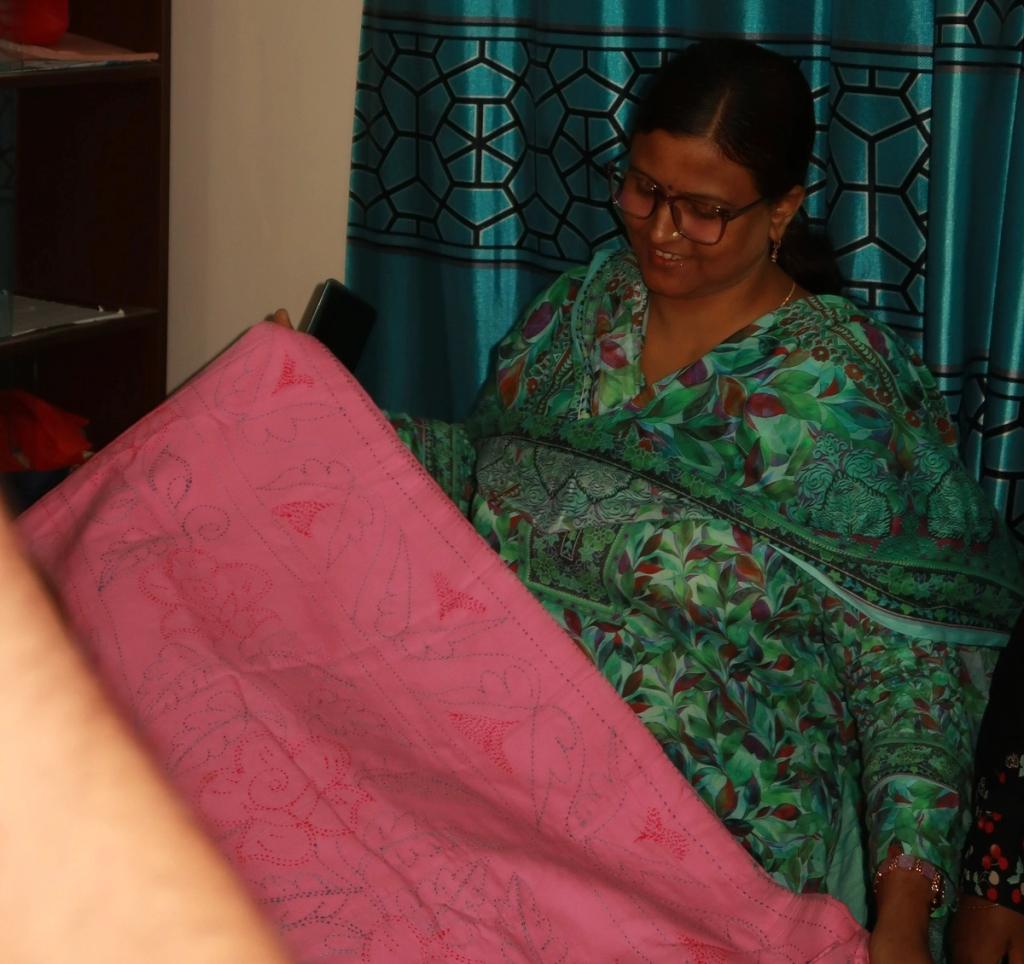
Rented space, equipment upkeep, utilities and a daily meal for every participant across the two months. Showing up costs money, so the programme covered the reasons not to.
04
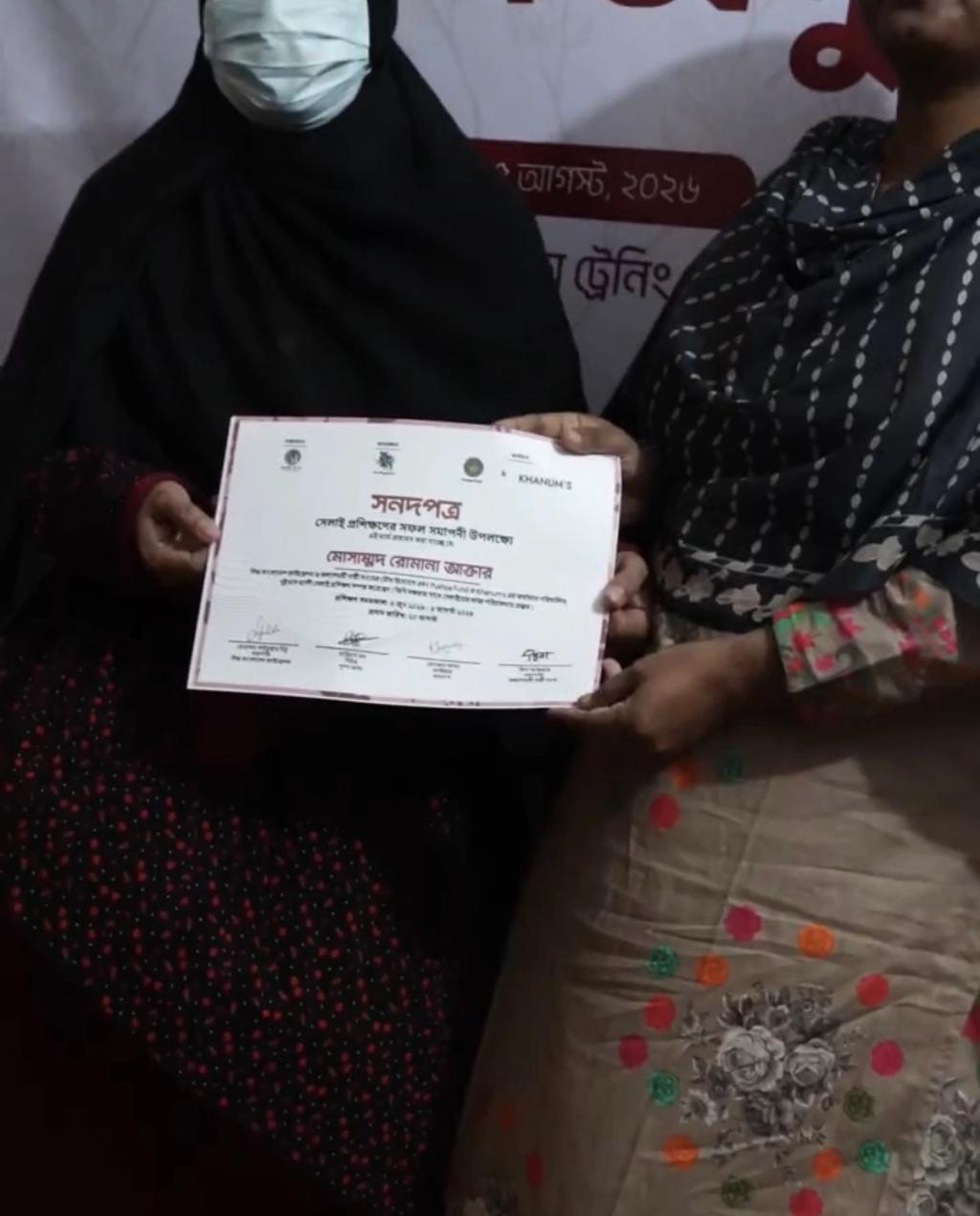
Completion certificates, a meal, and a ceremony. The certificate opens the door. Being publicly recognised for something you built, for the first time, does something else.
05
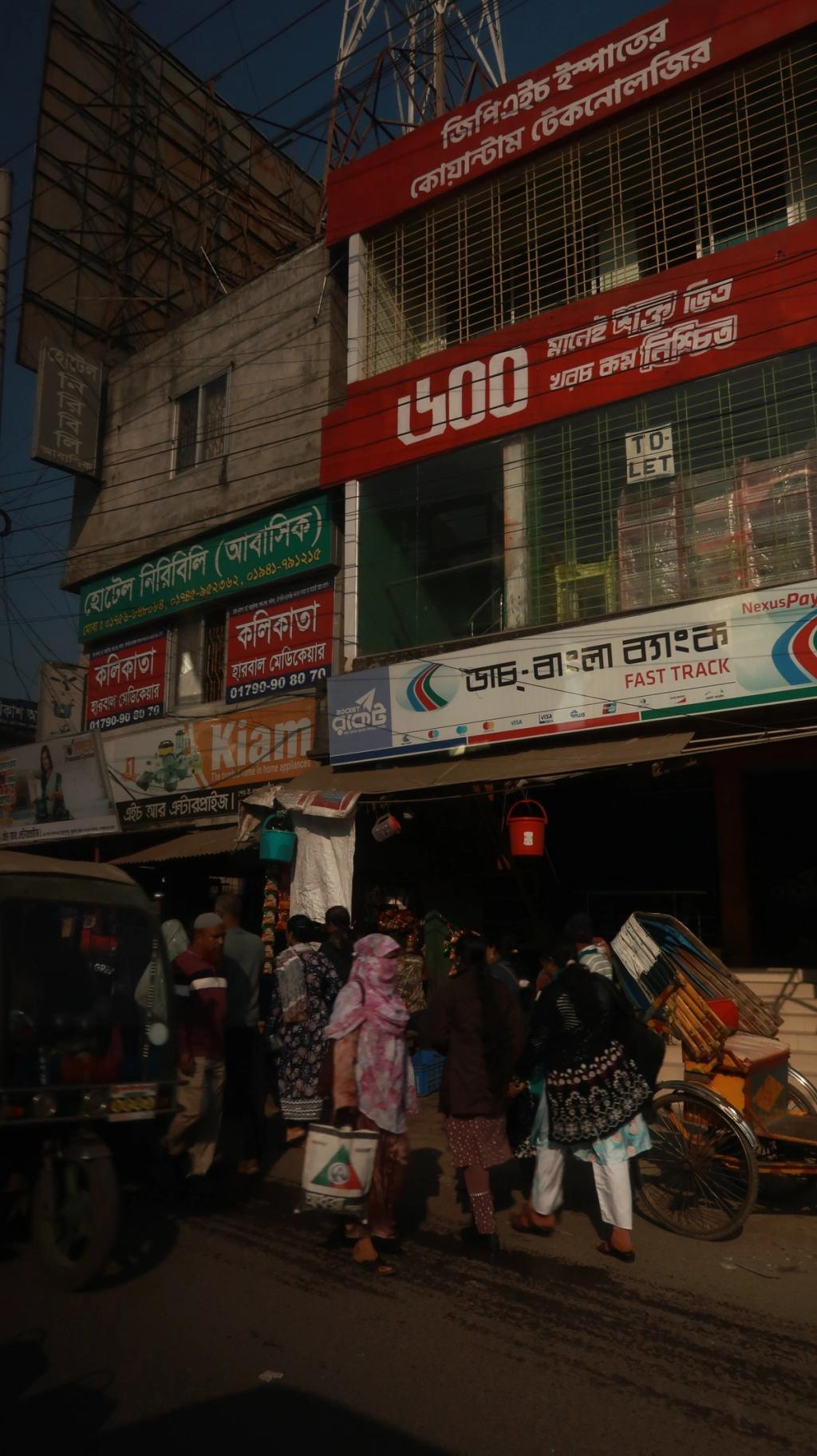
Active placement into garment factories and tailoring shops, then monitoring afterwards. The goal was never the certificate, it was the wage.
“These women represent every one of us. We have a responsibility to help these women have a choice again.”
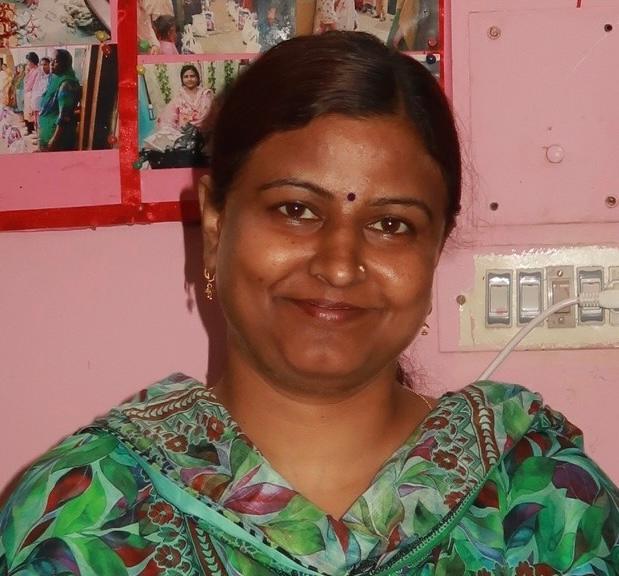
"I am not ashamed of my past. None of us wanted to become sex workers. Either we were sold, or fooled by brokers."
Give Bangladesh reported that 8 of the 12 tracked first-cohort graduates are now working: 3 in garment factories, 3 tailoring from home and 2 in domestic work.
The other 4 aren't working yet; Give Bangladesh is looking for placements for 3 of them.
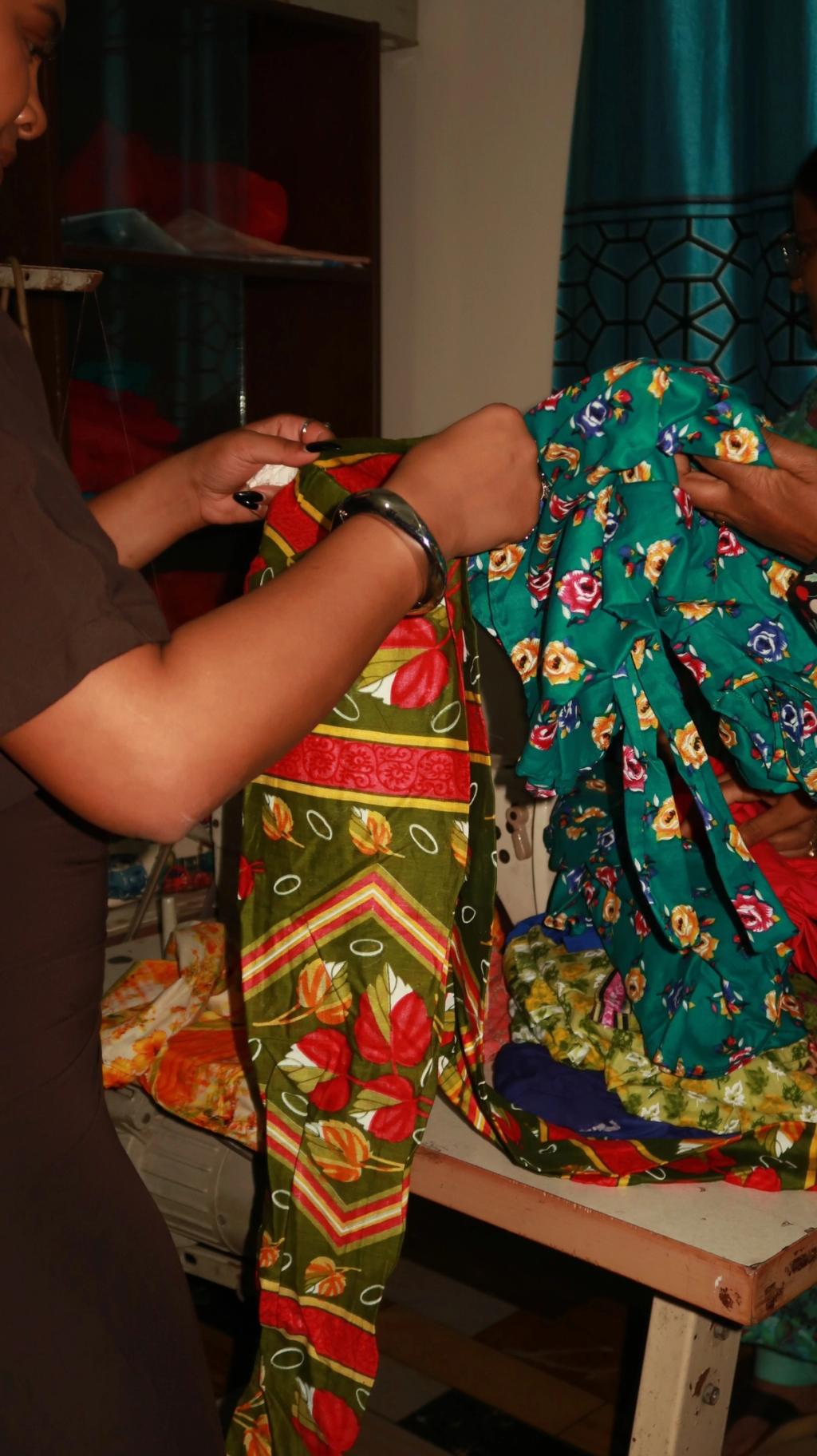
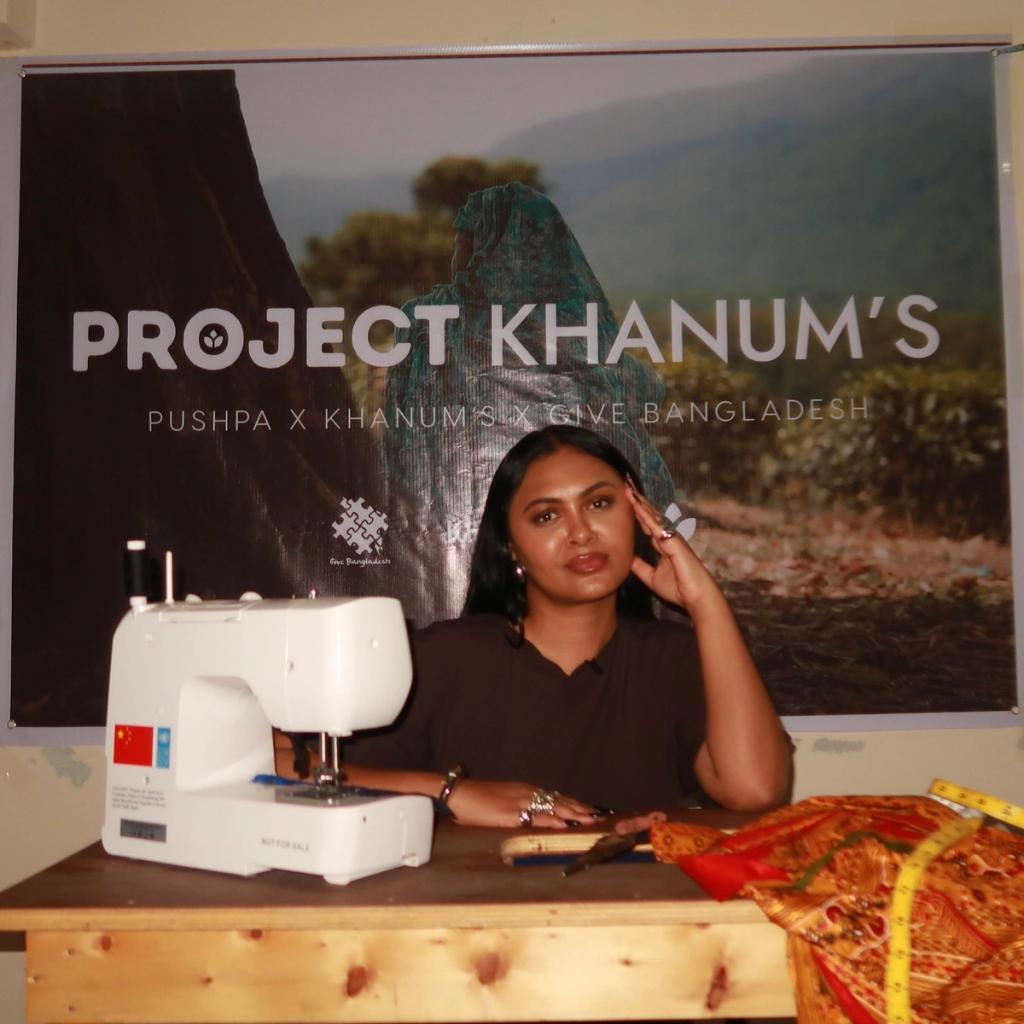
The first cohort started a two-month, 45-class sewing and tailoring course with Give Bangladesh at the Mugda centre in Dhaka, with daily lunch and health screening alongside.
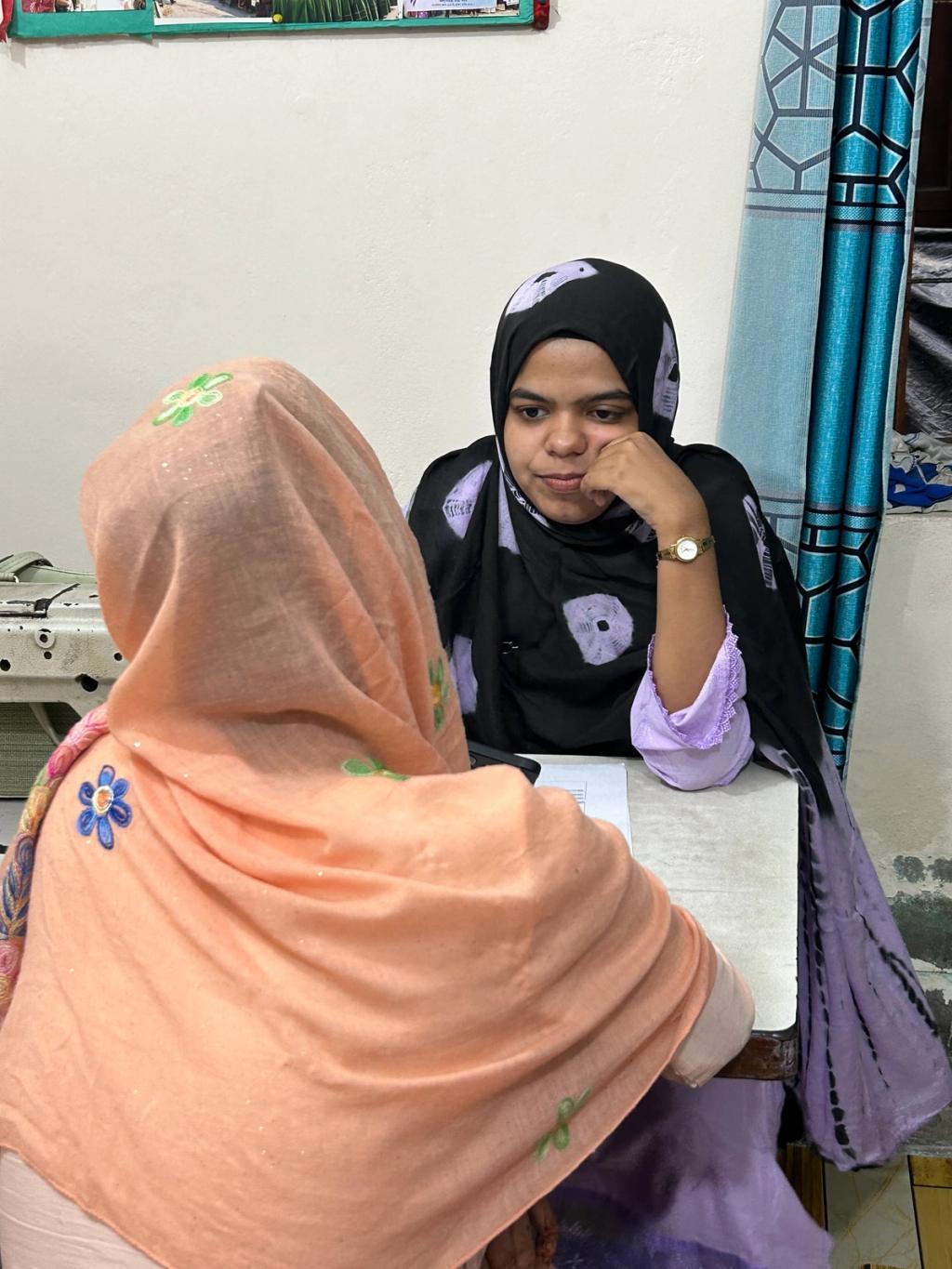
The joint funding campaign with Khanum's reached its £10,000 target less than four weeks after launch, with most backers new to Pushpa.